Biryani – A Brief History
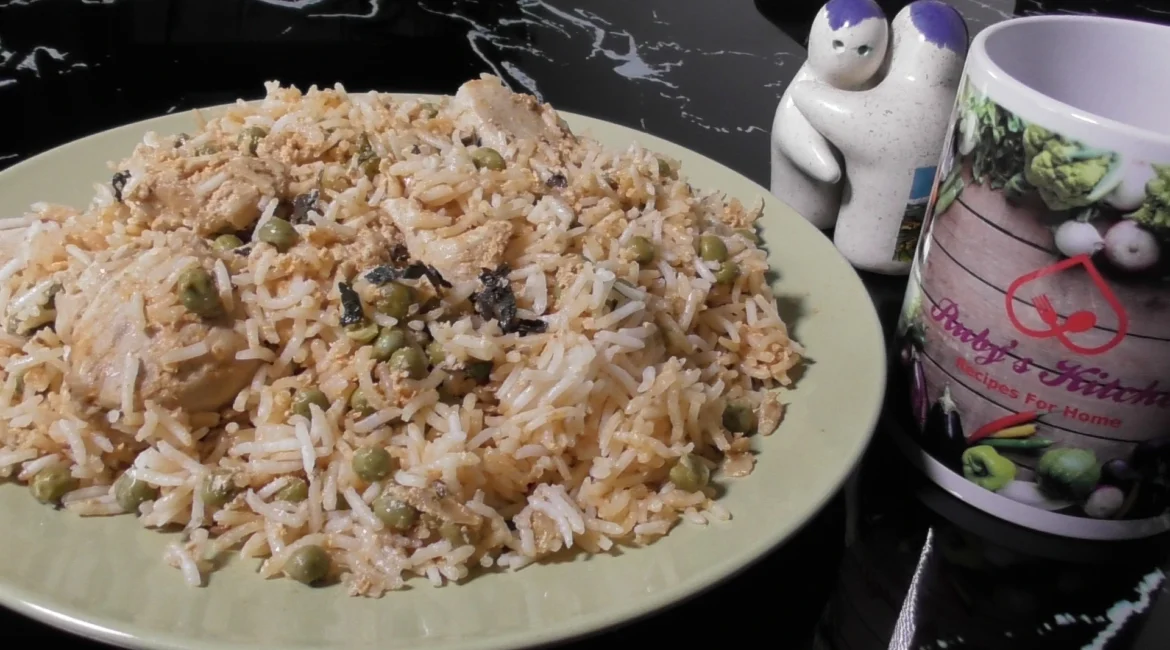
Biryani is not just a dish; it’s an emotion, a cultural emblem, and a historical marvel that speaks of centuries-old traditions, migrations, and the intricate tapestry of flavours that is Indian cuisine. Often seen as a festive dish that embodies the richness and diversity of India, biryani has a fascinating history that spans various regions, communities, and even continents. In this blog, we will delve deep into the captivating history of biryani in India, its evolution, and how it has become one of the most beloved dishes across the country and beyond.
Early Origins:
The earliest origins of biryani can be traced back to Persia. From there it travelled to the Mughal Empire in North India. One theory suggests that the dish was brought to the subcontinent some time between the 13th and 17th centuries by Persian travellers and merchants. They introduced their native dish of layered rice and meat cooked together. Some of the key spices found in biryani like saffron also originated in Persia.
During the Mughal Empire:
The Mughal empire helped shape biryani into the rice dish we recognize today. Historical records show various versions of biryani were prepared in the royal Mughal kitchen. The Mughals had mastered the art of cooking aromatic rice and layering it with juicy meat. Their royal kitchens used rare spices like nutmeg and mace that added a unique flavour.
The Mughals loved meat, especially goat meat. Their biryanis were often made by cooking tender chunks of goat meat with rice and spices. The dish became a favourite in royal feasts and was considered a prestigious delicacy. The walls of Mughal monuments like the Taj Mahal and Fatehpur Sikri have depictions of royal biryani dishes being cooked and served.
Evolution of Regional Styles As biryani spread to different parts of India under the Mughals, local chefs began adapting it to suit regional tastes and ingredients.
Regional Variations
Hyderabad
The Hyderabadi biryani is perhaps one of the most famous regional variants. Introduced by the Nizams of Hyderabad, this version incorporates a unique blend of Mughlai and Telugu cuisines, resulting in a dish that’s rich and tangy. It’s characterized by the use of both green and dry spices and often includes ingredients like fried onions, boiled eggs, and raisins.
Lucknow
The Awadhi biryani from Lucknow is softer and milder compared to its southern counterpart. Also known as “Pulao,” the Lucknawi version is cooked in a “Dum Pukht” style where the meat and the rice are partially cooked separately and then finished together in a sealed handi.
Kolkata
The Kolkata biryani is unique for its inclusion of potatoes and eggs. This variation was born when Nawab Wajid Ali Shah was exiled to Kolkata, and due to budget constraints, potatoes were used as a filler along with the meat.
Malabar
The Malabar biryani from the coastal areas of Kerala is lighter, with an emphasis on aromatic spices. It’s often made with fish or prawns, reflecting the coastal bounty.
Community Influence
Muslim Biryani
Often served during Eid and other festive occasions, the Muslim version of biryani tends to be very rich and includes a generous use of ghee, nuts, and dry fruits.
Sindhi Biryani
This version from the Sindh community is tangy and spicy, often incorporating a variety of vegetables along with the meat.
Modern Adaptations
Today, biryani has adapted to suit vegetarian palates and includes options like Paneer Biryani, Mushroom Biryani, and even Soy-based biryani. There’s also a trend towards ‘healthy’ versions, made with brown rice or quinoa.
Biryani is a testament to India’s culinary richness and its ability to absorb various influences into its cultural fabric. With every region adding its unique touch, biryani continues to evolve while remaining deeply rooted in history.
From royal feasts to everyday meals, the journey of biryani is a tale worth relishing. So, the next time you dig into a pot of biryani, remember that you’re not just savouring a dish, but a piece of India’s rich culinary history.
Whether you’re a history buff, a food enthusiast, or someone who simply loves a good plate of biryani, understanding its origins only adds another layer of appreciation for this incredible dish. Bon Appétit!