Listen to this article
Blood Pressure & Food
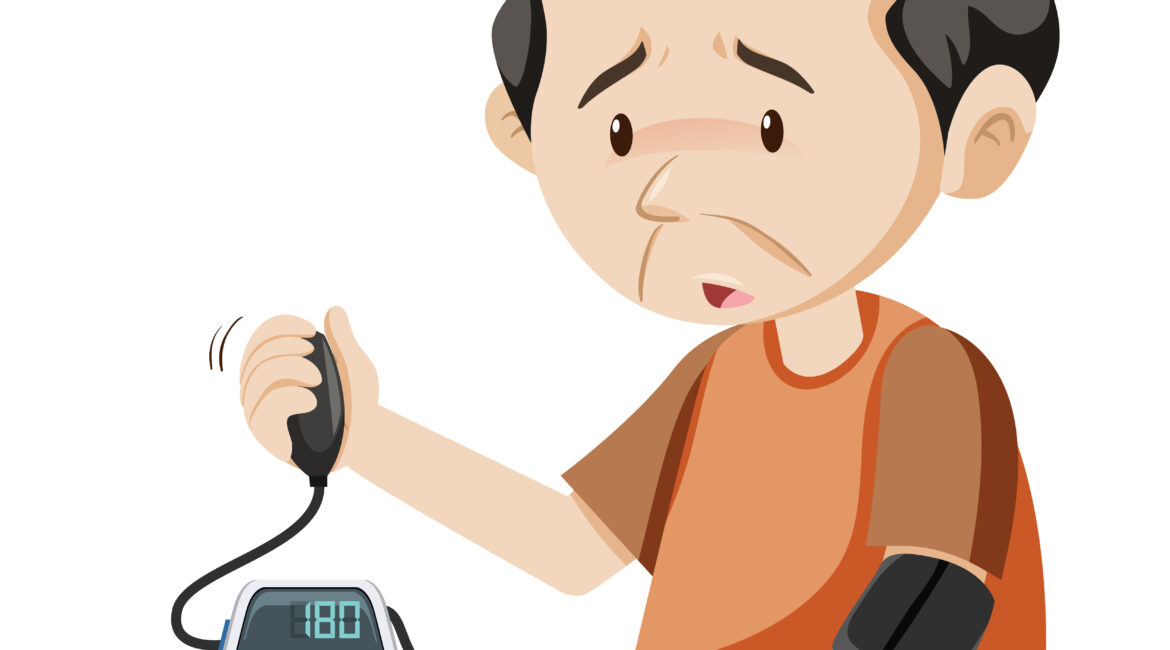
High blood pressure, also known as hypertension, is a common condition that affects millions of people worldwide. It is a major risk factor for heart disease, stroke, and other health problems.
There are many things you can do to control your blood pressure, including exercise, weight loss, and medication. But did you know that your diet can also play a big role?
Certain foods can help lower your blood pressure, while others can make it worse. Here are some of the best foods for blood pressure control:
• Fruits and vegetables: Fruits and vegetables are packed with nutrients that are important for blood pressure control. They are also low in calories and sodium. Some good choices include bananas, oranges, leafy greens, and tomatoes.
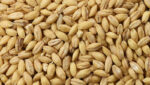
• Whole grains: Whole grains are a good source of fibre, which can help lower cholesterol and blood pressure. Some good choices include brown rice, quinoa, and oats.
• Lean protein: Lean protein can help you maintain a healthy weight, which is important for blood pressure control. Some good choices include chicken, fish, and beans.
• Low-fat dairy products: Low-fat dairy products are a good source of calcium and potassium, both of which are important for blood pressure control. Some good choices include yoghurt, milk, and cheese.
• Nuts and seeds: Nuts and seeds are a good source of healthy fats, fibre, and vitamins. They can help lower cholesterol and blood pressure. Some good choices include almonds, walnuts, and peanuts.
• Healthy oils: Healthy oils, such as olive oil and canola oil, are a good source of omega-3 fatty acids. Omega-3 fatty acids can help lower blood pressure and improve heart health.
• Herbs and spices: Some herbs and spices, such as garlic, ginger, and cinnamon, have been shown to help lower blood pressure. You can add these herbs and spices to your food to give it extra flavour and health benefits.
It is important to note that these are just some of the best foods for blood pressure control. There are many other healthy foods that can help you keep your blood pressure in check. Always talk to your doctor or a registered dietitian to create a personalized diet plan that is right for you.
In addition to eating a healthy diet, there are other lifestyle changes you can make to help control your blood pressure. These include:
• Exercising regularly
• Losing weight if you are overweight or obese
• Limiting alcohol
• Quitting smoking
• Managing stress
By making these lifestyle changes, you can lower your risk of developing heart disease, stroke, and other health problems.
Here are some foods that you should avoid if you have high blood pressure:
• Processed foods: Processed foods are often high in sodium, unhealthy fats, and calories. These foods can contribute to weight gain, which can put stress on your heart and increase your risk of high blood pressure.
• Red meat: Red meat is high in saturated fat, which can raise your LDL (bad) cholesterol levels. High LDL cholesterol levels can increase your risk of heart disease and stroke.
• Salty foods: Salty foods can raise your blood pressure by increasing the amount of fluid in your body. This extra fluid can put extra strain on your heart and blood vessels.
• Sugary drinks: Sugary drinks are high in calories and can contribute to weight gain. Weight gain is a major risk factor for high blood pressure.
• Alcohol: Alcohol can raise your blood pressure, especially if you drink too much.
• Caffeine: Caffeine can raise your blood pressure in the short-term. If you have high blood pressure, it’s best to limit your caffeine intake.
It is important to note that these are just some of the foods that you should avoid if you have high blood pressure. There are many other foods that can contribute to high blood pressure. Talk to your doctor or a registered dietitian to create a personalized diet plan that is right for you.
Here are some tips for making healthy food choices:
• Read food labels carefully: Pay attention to the sodium content, fat content, and sugar content of the foods you are buying.
• Choose fresh fruits and vegetables over processed foods: Fresh fruits and vegetables are low in calories and sodium, and they are a good source of nutrients.
• Choose lean protein sources: Lean protein sources, such as chicken, fish, and beans, are low in saturated fat and calories.
• Choose whole grains over refined grains: Whole grains are a good source of fibre, which can help you feel full and can help lower your cholesterol levels.
• Limit your intake of sugary drinks: Sugary drinks are high in calories and can contribute to weight gain.
• Drink plenty of water: Water is essential for good health, and it can help you feel full.
• Cook at home more often: When you cook at home, you have more control over the ingredients that you use.
• Eat slowly and savour your food: Eating slowly will help you to feel full before you overeat.
• Listen to your body: If you are feeling full, stop eating.
By following these tips, you can make healthy food choices that can help you control your blood pressure